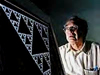
This collection of lesson plans and 'easy to do' activities are just the hook you need to bring the science of Space Weather to your students. Here you can do everything from building an edible model of the sun to learning how to make a real space weather broadcast!

This section has been specifically designed for you, the museums, planetaria, parks, youth clubs, and educators from community organizations around the globe! Here you will find program ideas and a growing list of 'Make and Take' activities designed just for you!
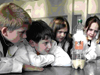
Scientific discoveries have a tremendous impact on the world as we know it. As a scientist you have the opportunity to have an even greater impact on the world of education! This section is designed just for you. Here you will find resources to help you Get Connected, Get Involved and Develop Your Program.
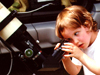
Join us in this year's 'AA Challenge' by holding your own sun/star party and giving a public talk. When you're finished, send us at least one picture of your event(s) to post on the Sun Earth Day web site! All of the requirements and instruction are right here!
Between May 10-12, 1999, the solar wind nearly vanished, causing Earth's magnetosphere to expand in volume by over 100 times!