Discover how we're driving the Nation's scientific progress through world-class research across Earth and Space sciences at Goddard’s Sciences and Exploration Directorate.
Earth Sciences
The Earth Sciences Division is the nation's technical innovator and essential data provider to support national infrastructure, scientific leadership, and economic resilience.
Go to Division
Astrophysics
The Astrophysics Science Division leads America's quest to answer our most profound scientific questions, developing technologies with transformative applications in medicine, national security, and intelligence.
Go to Division
Heliophysics
The Heliophysics Science Division advances understanding of the Sun and its interactions with Earth and the solar system, providing the foundational science that drives space weather research and solutions in collaboration with government, industry, and academia.
Go to Division
Planetary Sciences
The Solar System Exploration Division powers space missions and leads human space exploration to the Moon and Mars through revolutionary research that charts the frontiers of our solar system and deepens our understanding of planetary system formation and evolution.
Go to Division

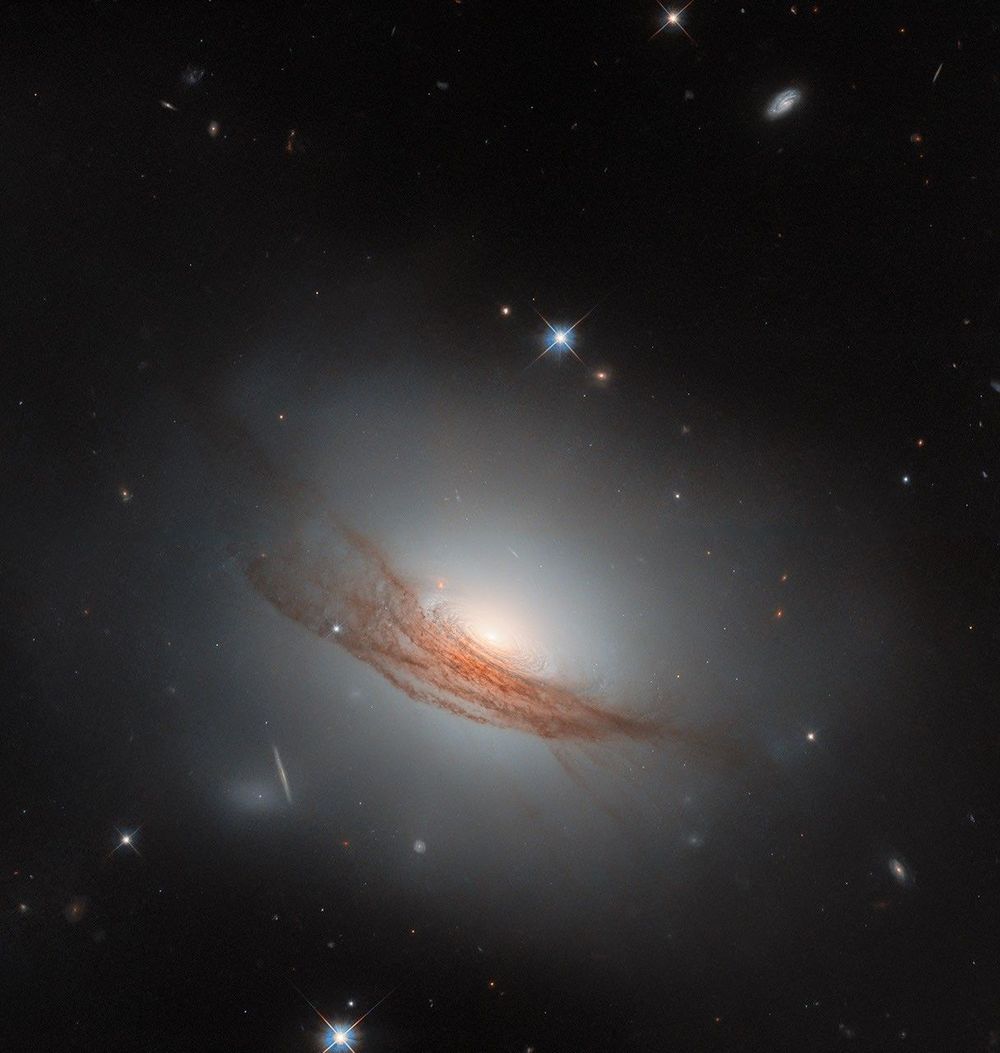

NGC 1333: Stellar Nursery in Perseus
NGC 1333 is seen in visible light as a reflection nebula, dominated by bluish hues characteristic of starlight reflected by interstellar dust. A mere 1,000 light-years distant toward the heroic constellation Perseus, it lies at the edge of a large, star-forming molecular cloud. This telescopic close-up spans over two full moons on the sky or just over 15 light-years at the estimated distance of NGC 1333. It shows details of the dusty region along with telltale hints of contrasty red emission from Herbig-Haro objects, jets and shocked glowing gas emanating from recently formed stars. In fact, NGC 1333 contains hundreds of stars less than a million years old, most still hidden from optical telescopes by the pervasive stardust. The chaotic environment may be similar to one in which our own Sun formed over 4.5 billion years ago.